
Blog
Do Plumbers Test Their Work After Completion?
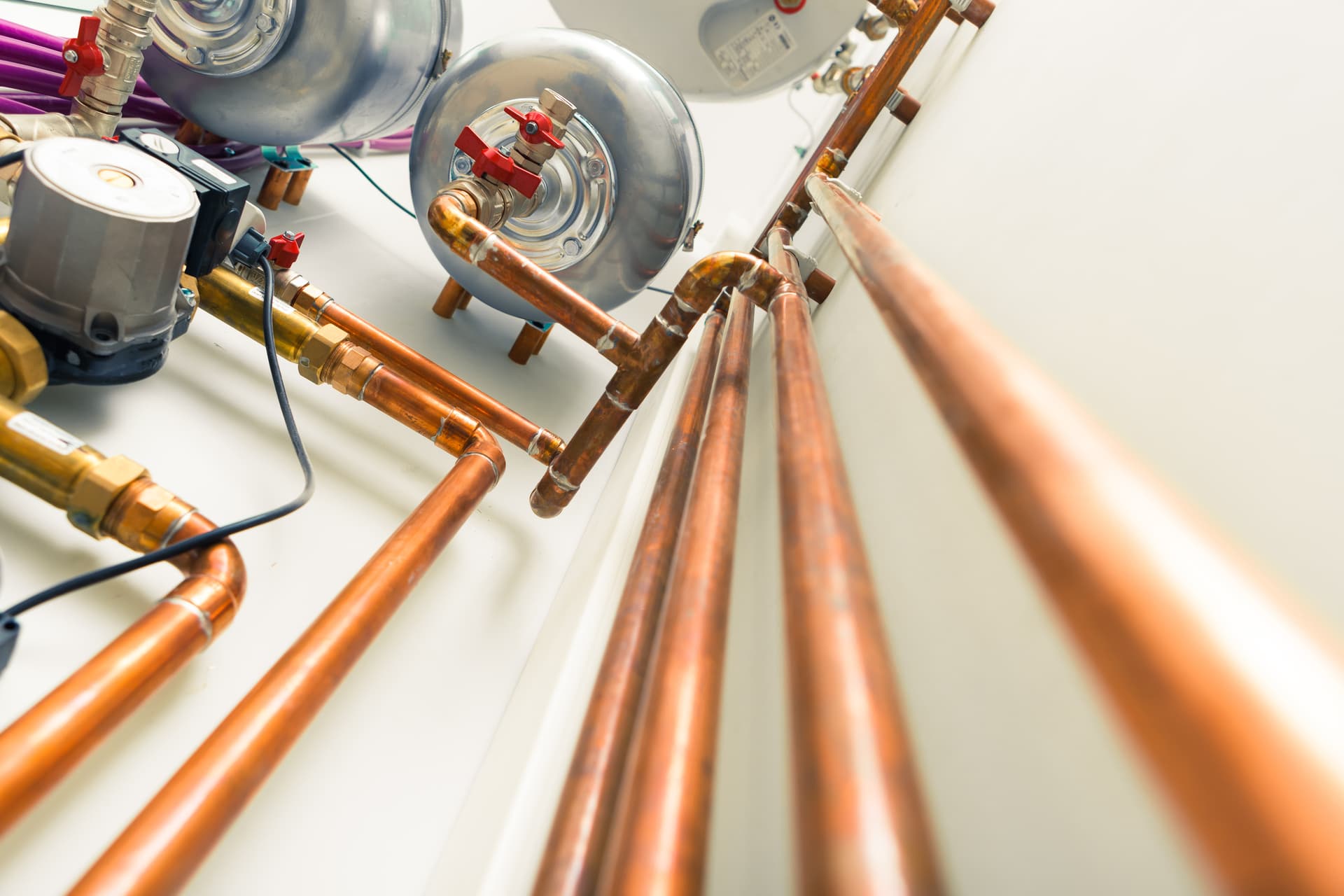
Do you test work after completion?
A plumbing job is not finished simply because the new tap is fitted, the leak has stopped or the pipework is back behind the wall. The important question is whether the system remains sound when it is put back under pressure and used normally.
For any repair or installation, testing should be treated as part of the work itself. It helps check that joints are secure, valves operate correctly and the original fault has not created another problem elsewhere. If you are arranging General Plumbing in Telford, it is reasonable to ask what will be tested before the job is closed.
What happens before the test?
The first stage is making sure the work is ready to be tested safely. This may involve allowing a joint or seal to settle, reconnecting an appliance or restoring the water supply gradually. The correct approach depends on what has been repaired and how the property is laid out.
A good plumber should also check that isolation points are accessible. A stopcock, service valve or appliance isolation valve that cannot be reached makes future maintenance harder and can turn a small leak into a larger incident. Access matters just as much as the fitting itself, particularly in older Telford terraces where pipework may run behind boxed-in areas, cupboards or floors.
Pressure testing finds problems you cannot see
A pipe joint can look neat and still leak when the system is pressurised. This is why simply wiping around a connection is not enough. Water needs to be restored in a controlled way while the repaired section is observed.
Pressure testing helps expose several issues:
- A joint that has not fully seated
- A screw-together pipe fitting that needs adjustment
- A damaged washer or seal
- A connection disturbed while another fitting was being replaced
- A concealed leak that only appears once the pipework is under pressure
The test should be focused on the section that has been worked on, while also checking nearby connections that may have been affected during access or isolation. This is especially important where an old pipe has been moved to make room for a new fitting. Movement can place stress on an otherwise unrelated joint.
Testing is more than checking for leaks
A completed plumbing job also needs a functional check. If a tap has been replaced, the water should run correctly and shut off cleanly. If a waste connection has been altered, the outlet should be checked while water is discharged. A repair involving a toilet, basin or bath should be assessed for both supply and drainage, not just the visible connection.
Where hot and cold supplies are involved, each side should be identified and checked independently. Unwanted mixing between hot and cold water, poor flow or an incorrectly positioned valve can be missed if the plumber only looks for dripping water. The same principle applies to alterations near washing machines, dishwashers and other appliances. The connection needs to remain secure when the appliance is used, not just when it is standing idle.
Why drainage needs a different check
Water supply pipework is tested under pressure. Waste pipework is checked by observing flow, discharge and drainage behaviour. That difference matters because a waste pipe may not leak while empty, yet still back up or seep when a large volume of water passes through it.
The slope of the pipe, the position of the trap beneath a sink or basin and the condition of existing connections all affect the result. A new section can be correctly connected but still perform poorly if an old pipe has settled, a trap is restricted or the route does not drain freely. Testing the system in use helps separate a sound repair from one that only looks complete.
What should you be shown afterwards?
Before a job is considered complete, you should be able to understand what was repaired or installed, whether any limitations remain and where the relevant isolation valves are located. If access panels have been fitted, they should remain usable. If pipework has been altered, it should not be left unsupported or hidden behind a permanent finish without proper consideration of future access.
Keep an eye on the repaired area after the water is restored. A new mark, damp smell, change in water pressure or unexplained noise is worth reporting rather than ignoring. Early information makes diagnosis more straightforward and can prevent damage to cupboards, flooring, plasterwork or adjoining rooms.
A properly tested job protects the rest of the property
Testing cannot remove every risk from an existing plumbing system, but it can identify faults introduced during the work and confirm that the repaired section is behaving as intended. It also gives you a clearer handover, rather than leaving you to discover a problem when the bathroom, kitchen or appliance is next used.
For general plumbing work in Telford and within 25 miles of Telford, contact Rpk Plumbing and Heating to discuss the fault, the property and what needs checking before the work is completed.
Other Articles